VISOR wraps up Sprint 3 of the CORTEX2 Support Programme, reaching a major milestone — delivering a powerful 3D reconstruction service that transforms small objects into high-quality digital twins.
validated, user-tested gesture recognition system. Enhanced accuracy, flexibility, and responsiveness now pave the way for broader adoption and integration.
Read on to learn about VISOR‘s latest breakthroughs — and what’s next!
VISOR’s progress during Sprint 3 of the CORTEX2 Programme
Q: How would you summarise VISOR’s latest developments during Sprint 3 of the CORTEX2 programme?
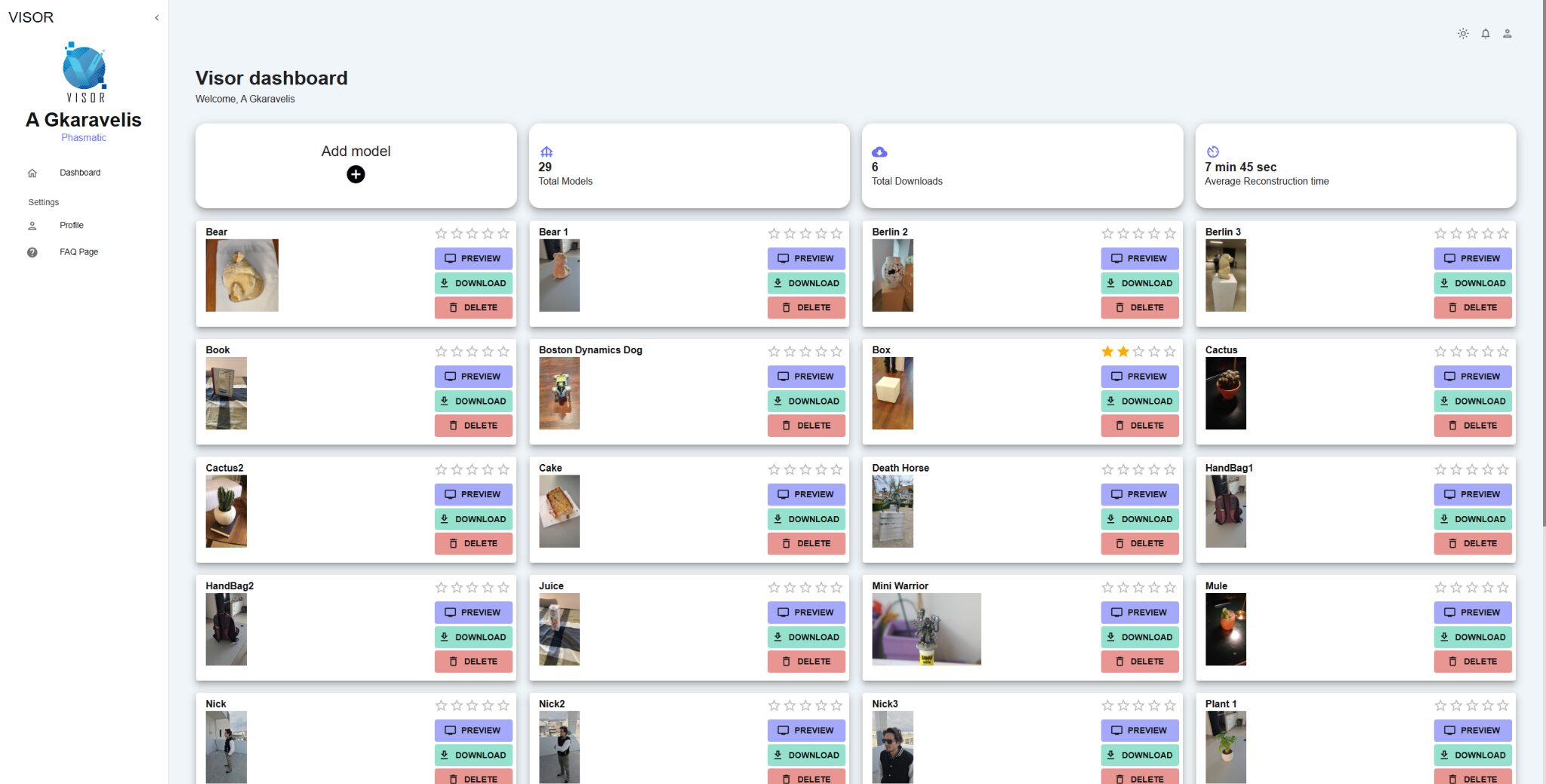
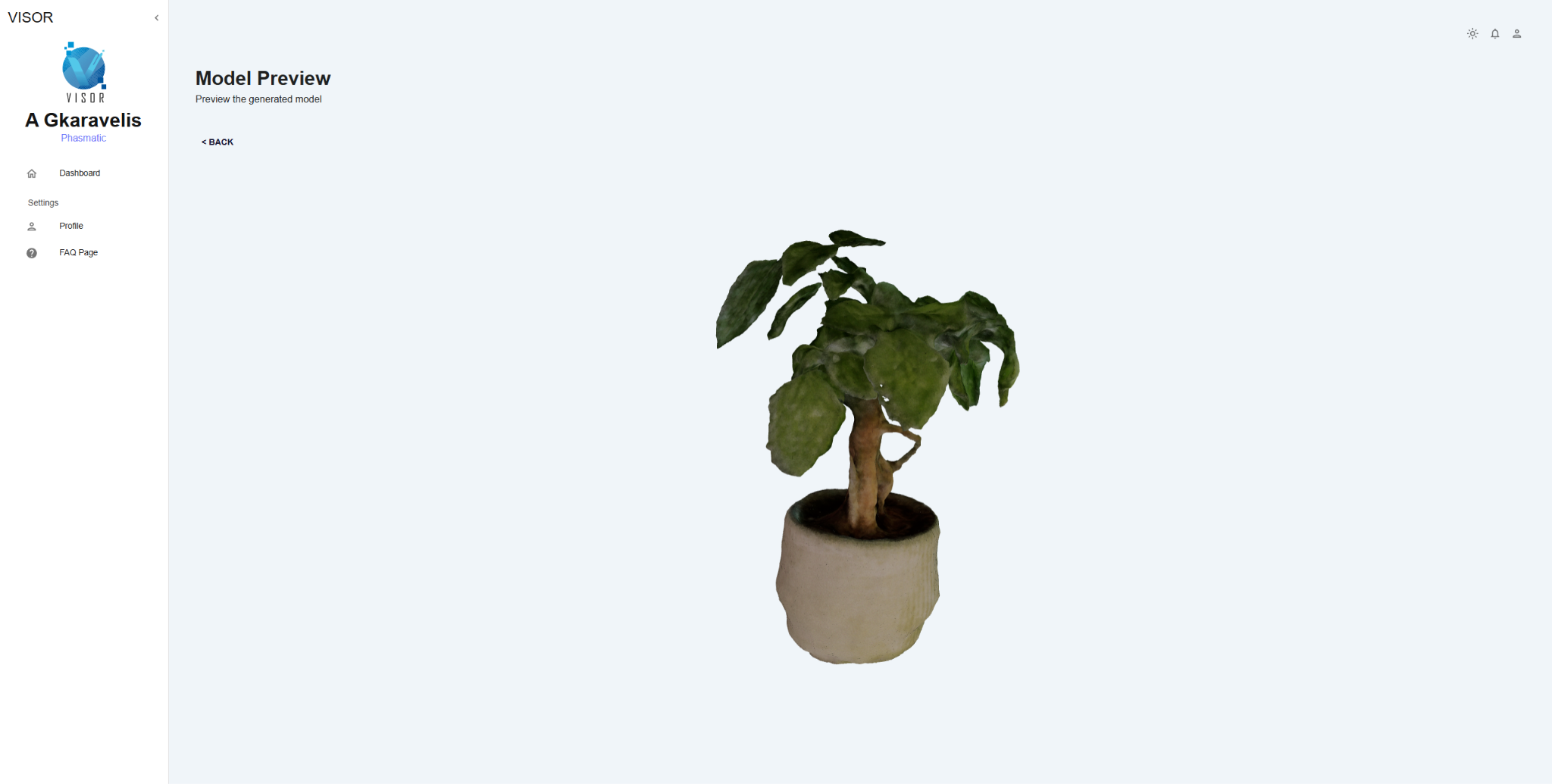
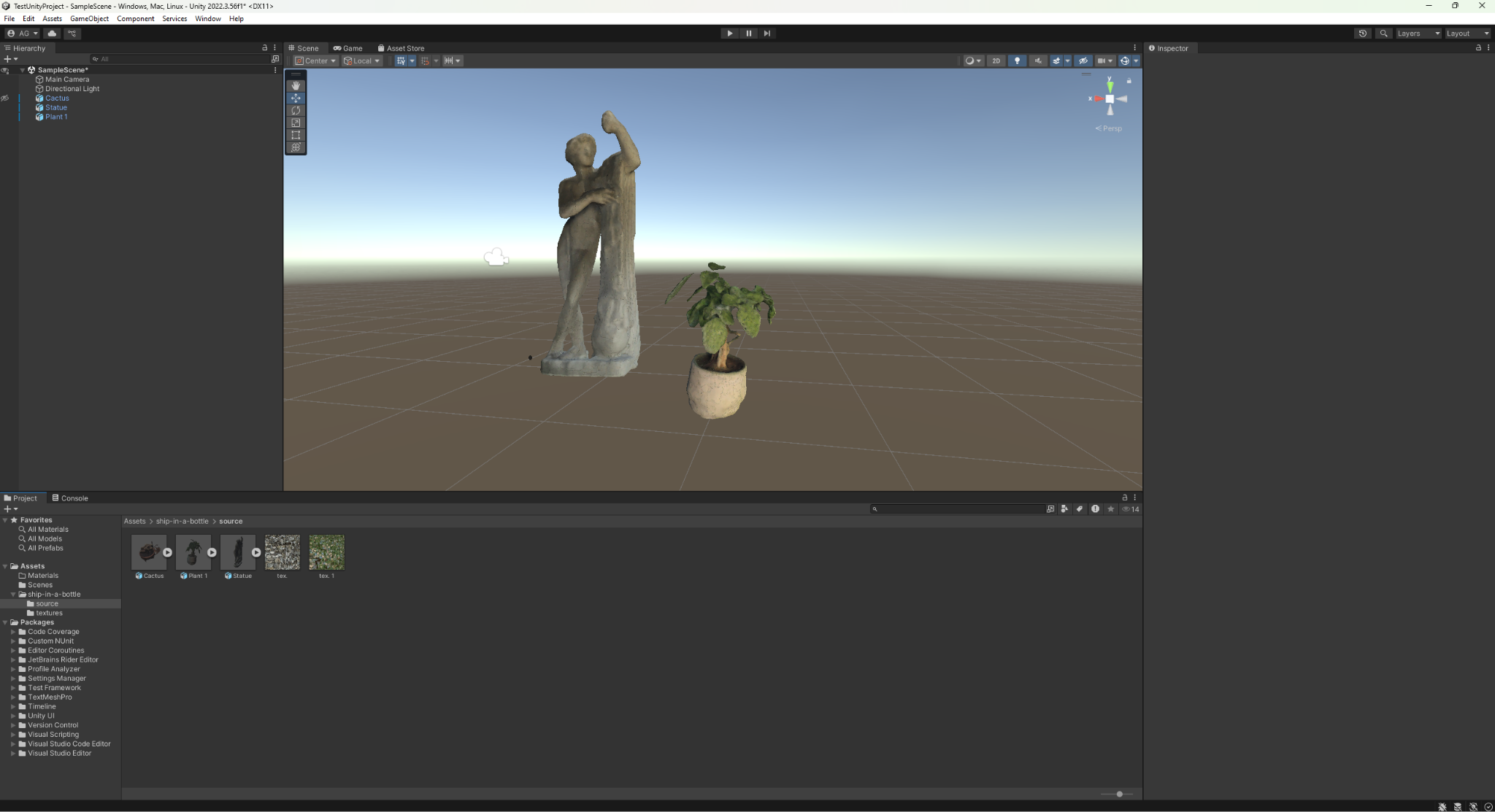
A: The primary objective of the last Sprint was to validate the developed 3D reconstruction software service and assess its ability to efficiently reconstruct small objects in 3D. The service is accessible through a user-friendly web portal, where users can upload their 2D images or video sequences to generate accurate digital twins of small physical objects through geometric reconstruction and colour information extraction.
During this phase, we tweaked and finalised our 3D reconstruction module and created a comprehensive documentation of the VISOR service. We created guidelines that were published on the VISOR web portal to help users capture their small objects and maximise the quality of the 3D reconstructed output.

Q: What milestones did VISOR reach during Sprint 3, and what impact do they have?
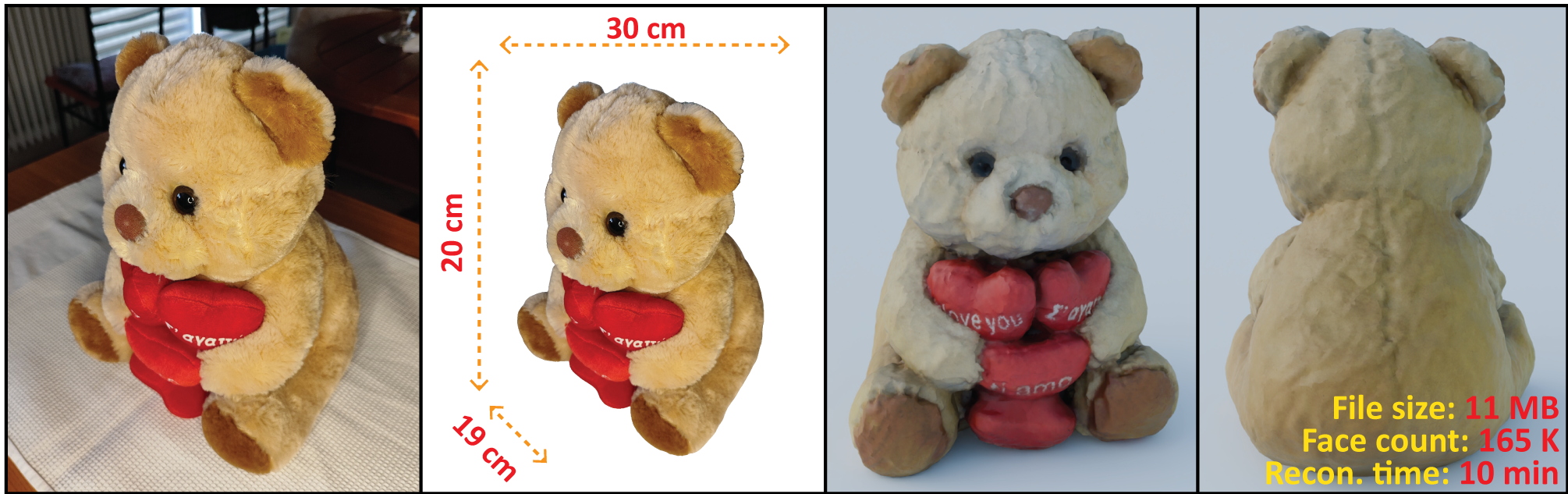
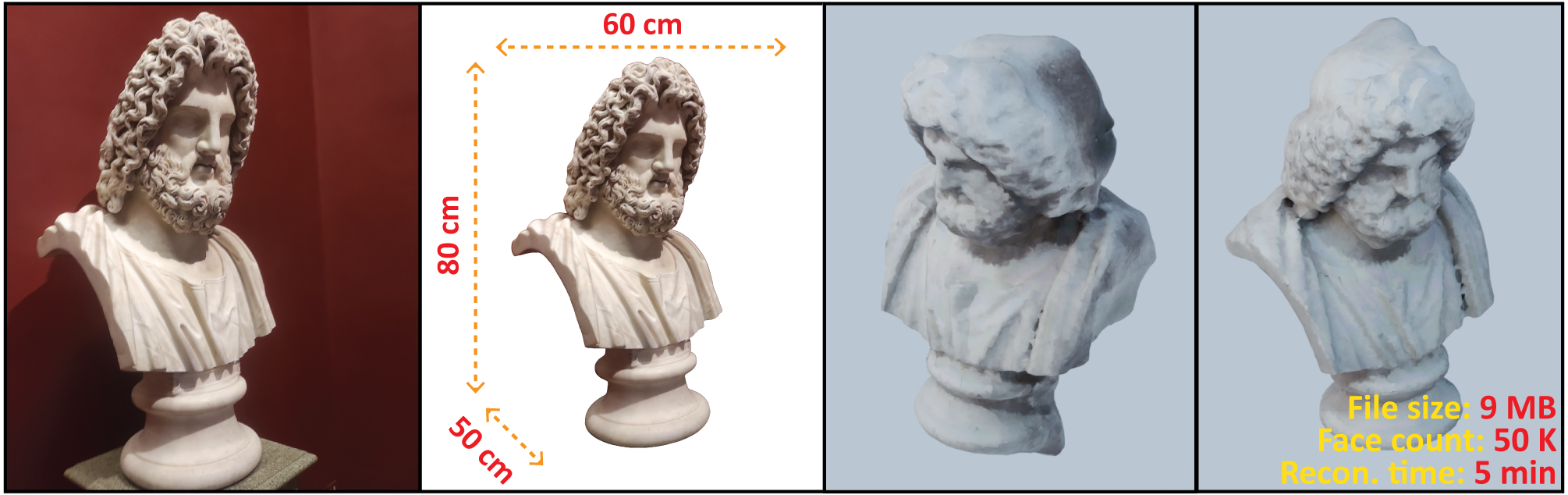
A: In this final Sprint, our project reached the final key milestone “MS3 – Final Product”, where we have successfully delivered a 3D reconstruction service that efficiently reconstructs small physical objects into high-quality 3D models. We have validated the performance of our service and the quality of the generated 3D objects by testing it on a diverse range of objects, varying in both geometric complexity and texture detail. We have also achieved all the specified KPIs, offering a service that delivers fast reconstruction times, supports input from both images and video sequences, is validated on more than 30 small physical objects and generates a high-quality 3D textured model, ready to be shared and used by various 3D engines on Desktop, Web or VR/AR/XR environments.
Q: What are VISOR’s next steps?
A: Our next step is to collaborate with other CORTEX2 Open Call winners that we connected with during an internal matchmaking event, and exploit the VISOR service into their use-cases. In parallel, we plan to implement the business plan we have prepared to further exploit VISOR commercially, as well as in future research and projects.
We would like to highlight the productive and supportive collaboration with the CORTEX2 team throughout the project. Their continuous support and guidance helped us develop an efficient 3D reconstruction service that reconstructs small physical objects into shareable high-quality 3D textured models.
Check out VISOR’s previous interviews and stay updated on its progress!
Want to know more about other CORTEX2 innovators’ updates? Browse all our supported teams on the CORTEX2 website:
Open Call 1 winners – Open Call 2 winners