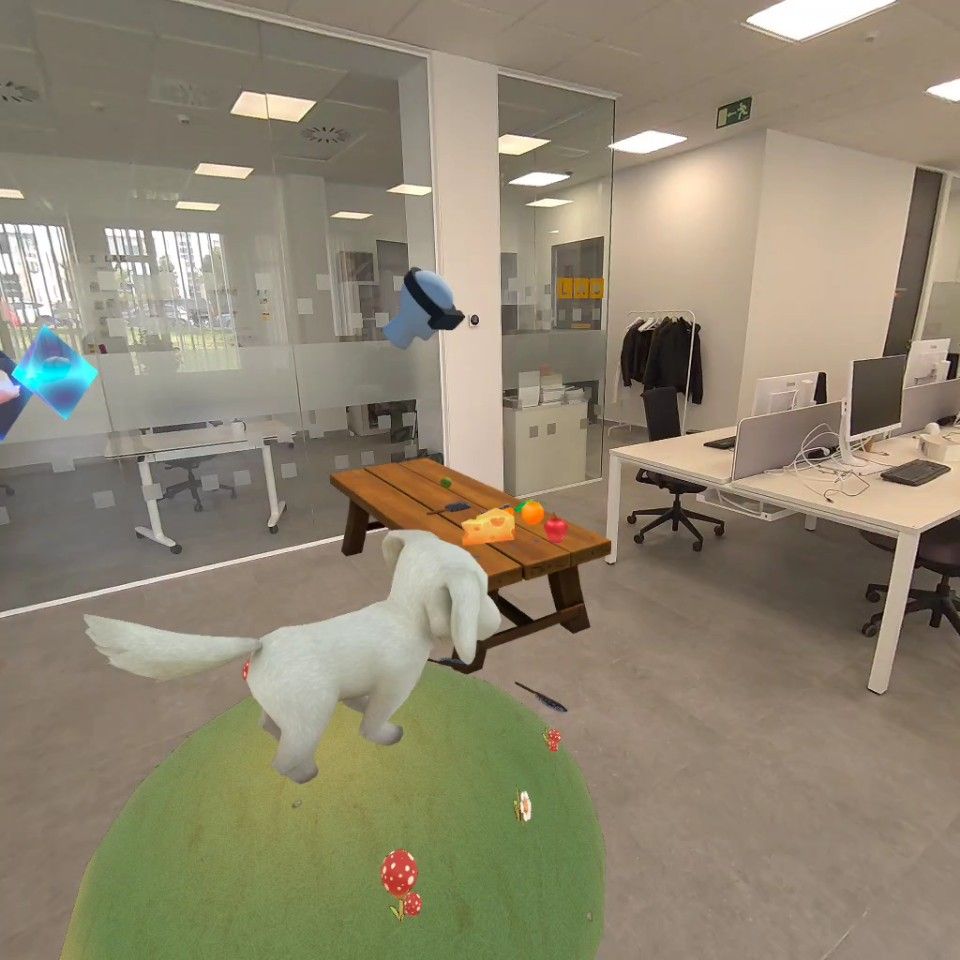
Throughout the CORTEX2 Support Programme, CORE-MHC has explored how immersive technologies can be applied to remote mental health care, with promising results. By developing and testing a multiuser Mixed Reality platform designed to support therapeutic interactions at a distance, the team has shown that immersive environments and co-designed experiences can meaningfully enhance both patient engagement and clinical effectiveness. In this final phase, CORE-MHC validated their solution with mental health professionals and users, refined their approach, and laid the groundwork for broader adoption in the healthcare sector.
In the interview below, the CORE-MHC team reflect on what they’ve achieved, how the programme has supported their growth, and what comes next.
CORE-MHC’s progress on the CORTEX2 Programme
Q: How would you summarise the advances CORE-MHC has made during Phase 2 of the CORTEX2 Support Programme?
A: During Phase 2 of the project, significant progress was achieved with the successful completion of two key milestones:
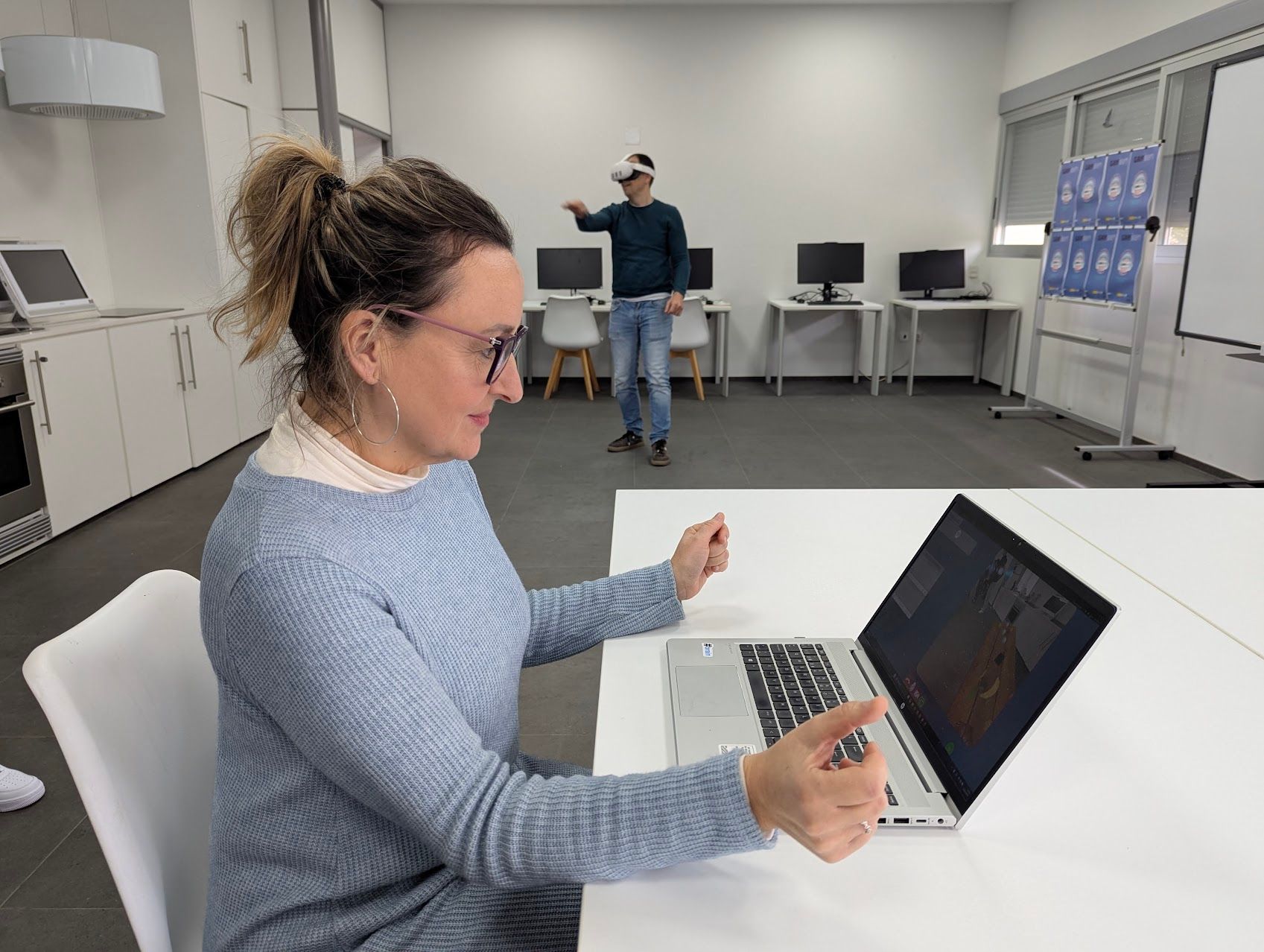
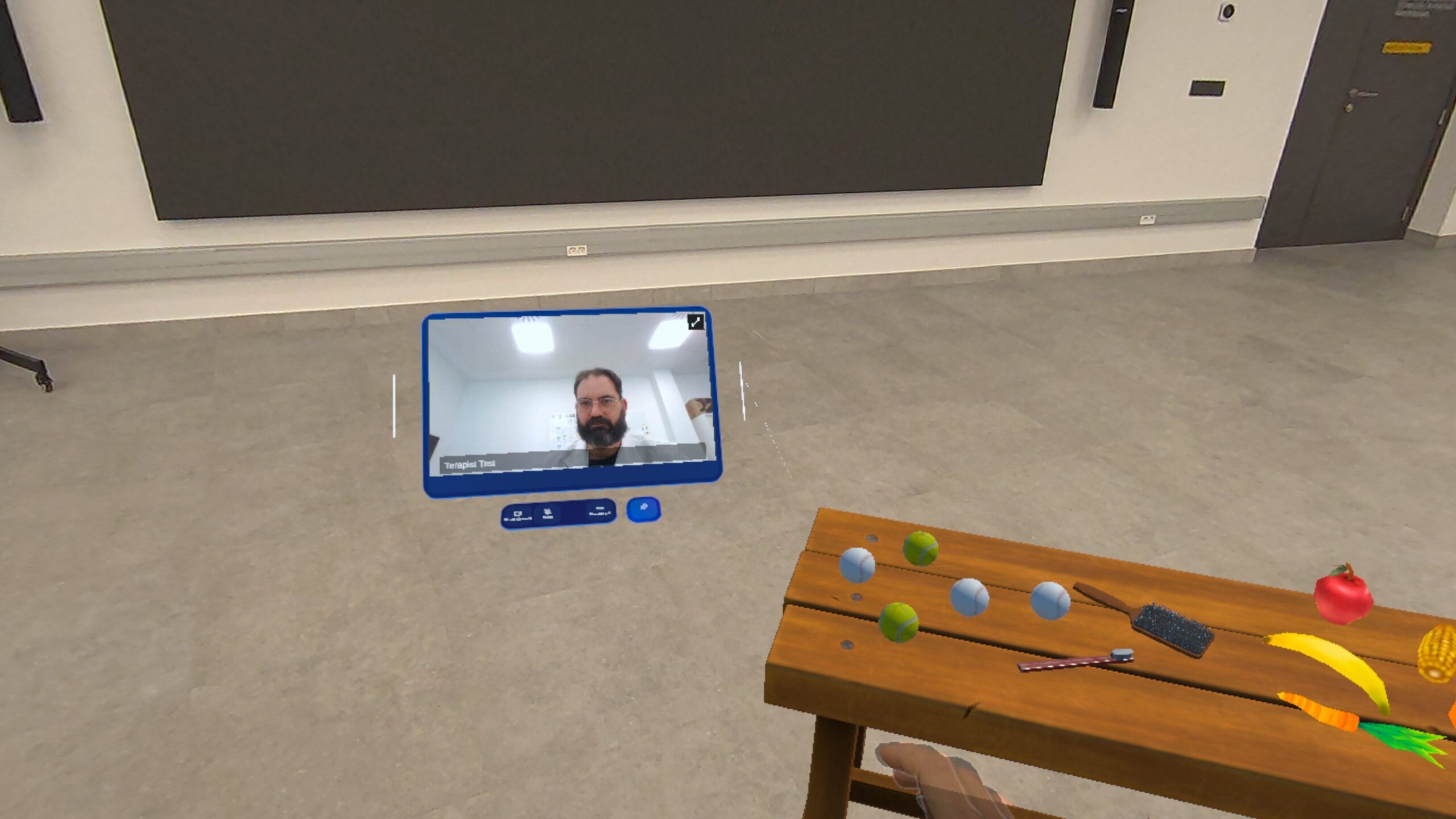
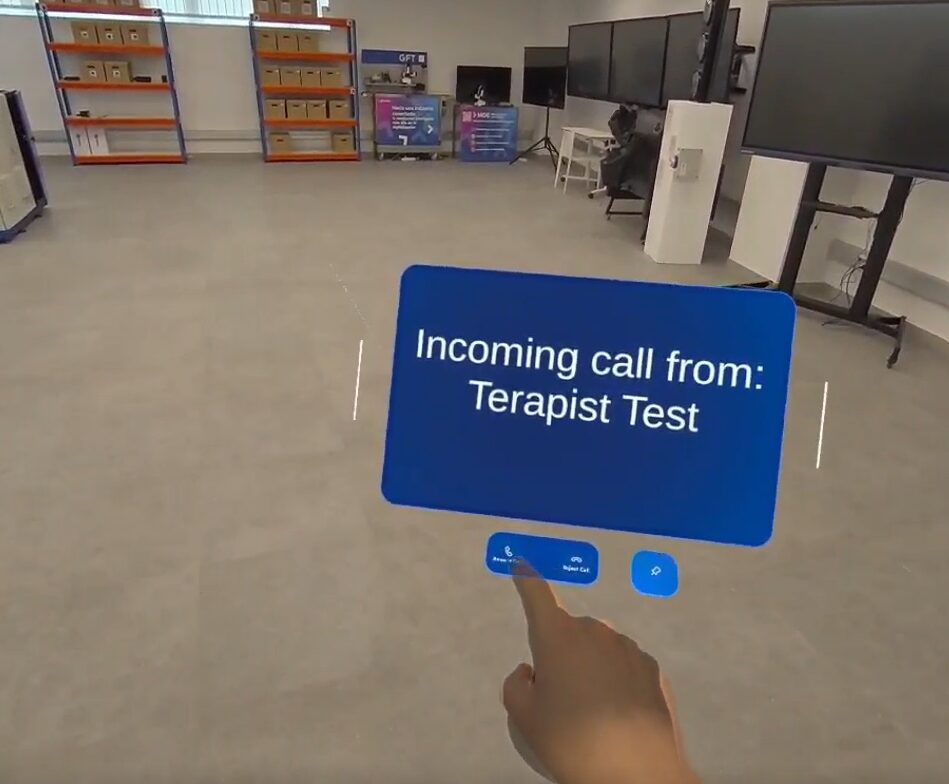
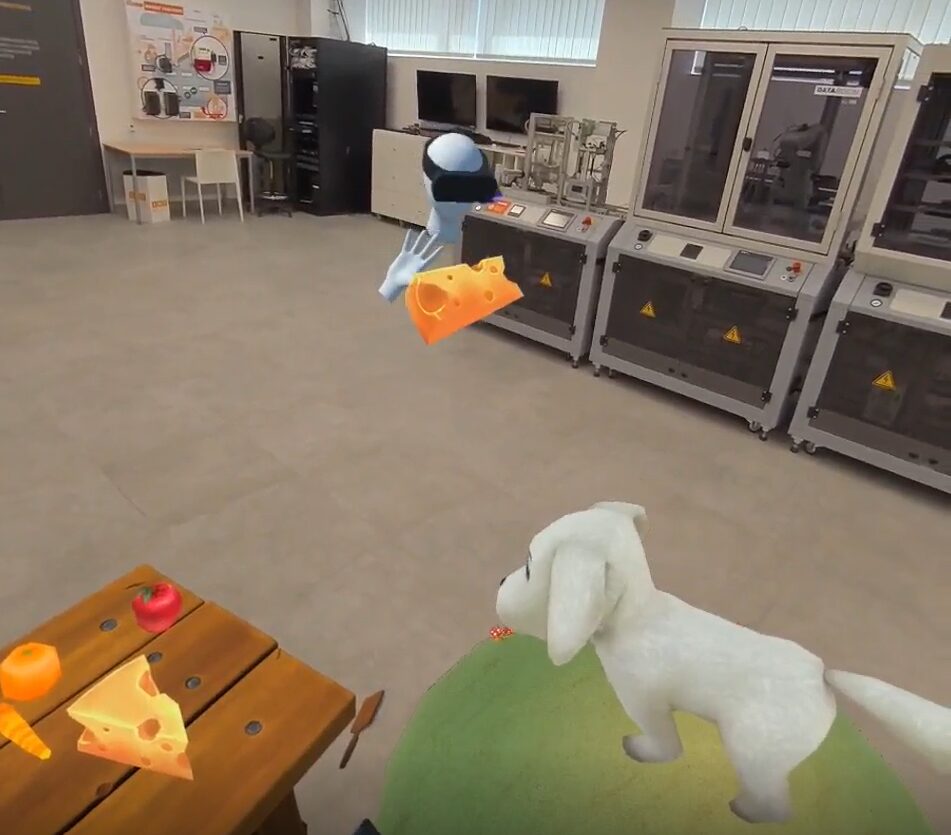
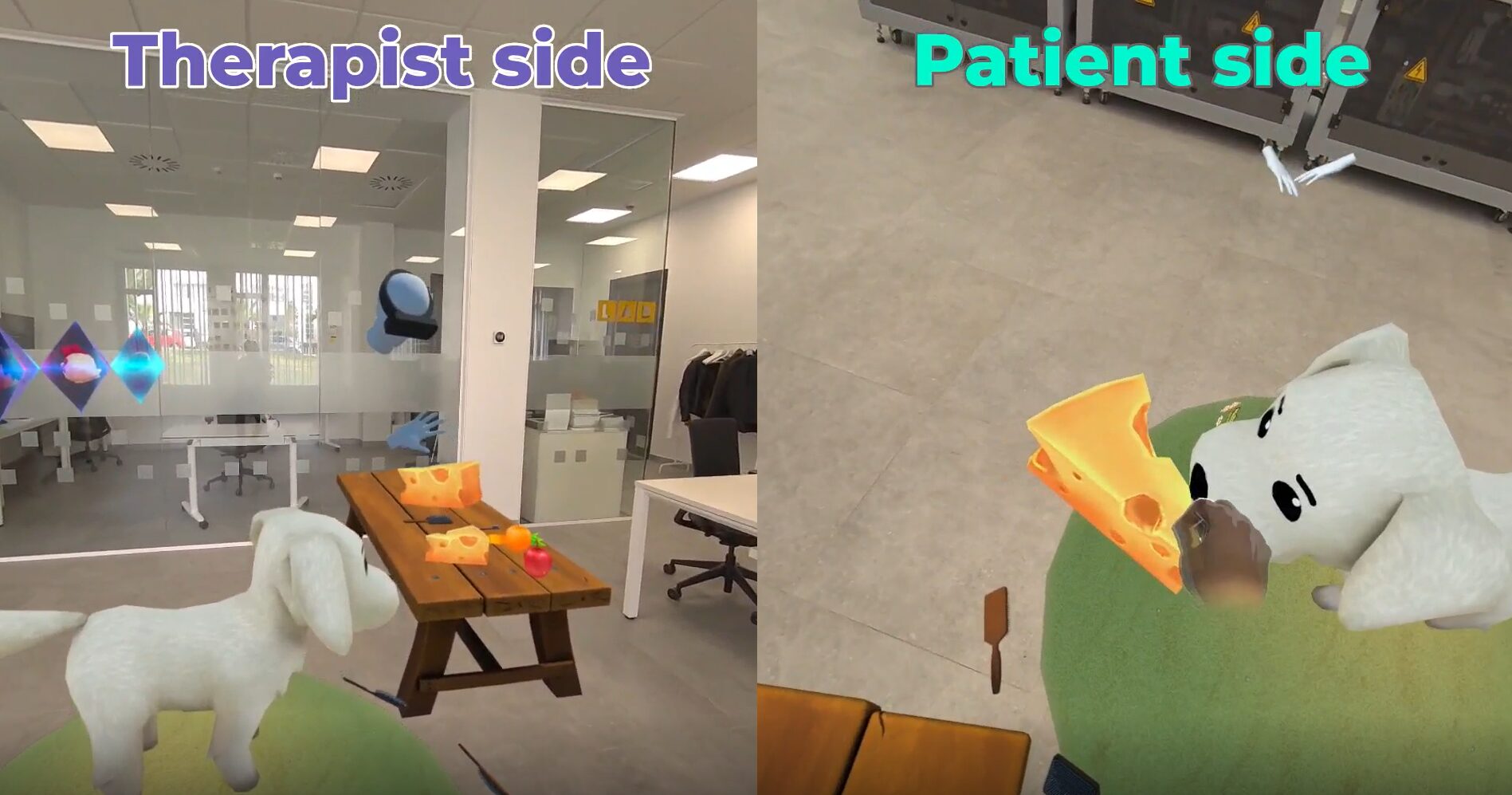
- Development of a Minimum Viable Product (MVP)/Proof of Concept (PoC): Development of a multiuser 3D gamified scenario to support remote therapeutic activities in Mixed Reality (MR). Two application configurations were implemented: one allowing therapists to use a PC while connecting with a patient using a Mixed Reality headset, and another where both patient and therapist wear Mixed Reality headsets. In the first modality, the PC application allows the therapist to observe what the patient is seeing through the MR headset in real time, as well as display the patient’s biofeedback captured from wearable sensors such as a smartwatch and a respiration band. In the second modality, both users connect to the same digital environment from two different physical locations; they can see each other’s avatars and interact with each other and with the environment in real time.
- Preliminary validation with end users: The PoC was evaluated by therapists at Fundación SASM, who provided valuable feedback that allowed us to refine the technological solution before the validation phase.
Q: What has CORE-MHC achieved now that the Programme is complete?
A: During Phase 3, we conducted a user study with both mental health professionals and users of mental health services at Fundación SASM. ITI defined the experimental design and prepared visual materials and tutorials as well as questionnaires focused on presence, usability and user experience. The results yielded very positive outcomes towards the use of MR in remote therapy for mental healthcare.
Users generally found the application helpful for their specific problems and were satisfied with their therapist’s treatment. Users of mental health services preferred the headset-to-headset modality, while professionals preferred the PC-to-headset modality due to familiarity and the possibility of taking notes simultaneously.
We have identified several design guidelines for developing Mixed Reality experiences for mental health that provide a solid foundation for future developers willing to leverage MR for remote mental health care.
The CORE-MHC project has demonstrated the transformative potential of MR technologies in delivering accessible, engaging, and effective remote mental health care. By integrating immersive environments with real-time physiological data and co-designed therapeutic experiences, CORE-MHC offers a novel approach to improving patient motivation, adherence, and outcomes.
Q: What would you highlight about the Support Programme, what’s helped advance your solution the most?
A: The CORTEX2 Support Programme has played a vital role in the advancement of our solution, offering both technical and collaborative benefits that have significantly accelerated our development process. The integration of CORTEX2 components — especially the IoT server and Rainbow SDK — helped us build a robust and interoperable Mixed Reality environment. These tools enabled secure real-time communication and data visualisation between therapist and patient, enhancing therapeutic interaction.
The collaboration between ITI and Fundación SASM has been instrumental in grounding the project in real-world therapeutic needs and ensuring that the platform is both clinically relevant and user-friendly.
Q: What’s the status of CORE-MHC after completing the Programme? What are your next steps?
A: As next steps, we will explore other aspects of health that remote immersive scenarios, such as physiotherapy, cognitive training, emotional regulation, or group therapy sessions, could facilitate. We will also disseminate our work to other entities in the mental health sector, such as hospitals, NGOs, private clinics, public institutions, and other kinds of entities which could benefit from incorporating novel tools to support mental health.
Check out CORE-MHC’s previous interview and stay updated on its progress!
Want to know more about other CORTEX2 innovators’ updates? Browse all our supported teams on the CORTEX2 website:
Open Call 1 winners – Open Call 2 winners