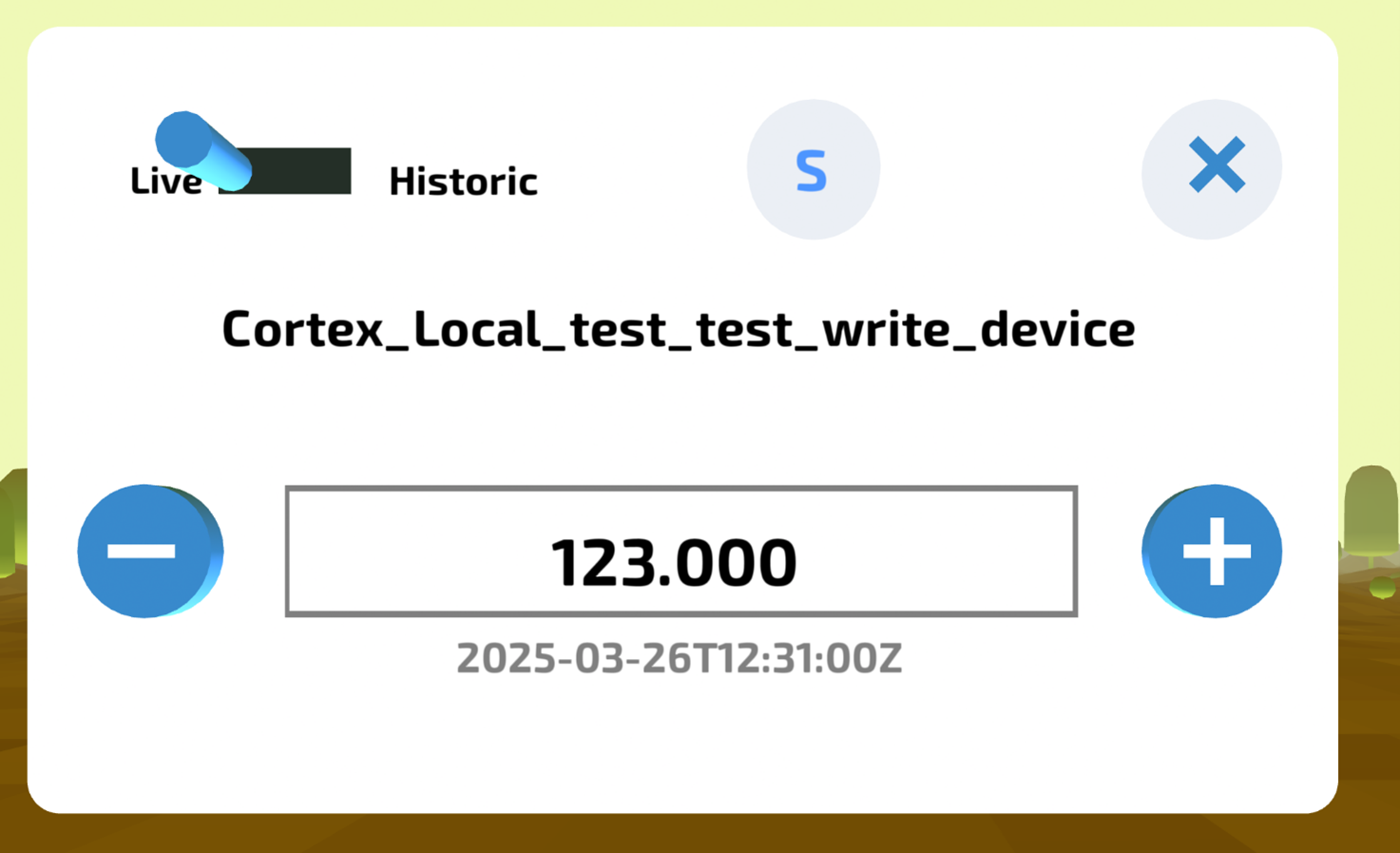
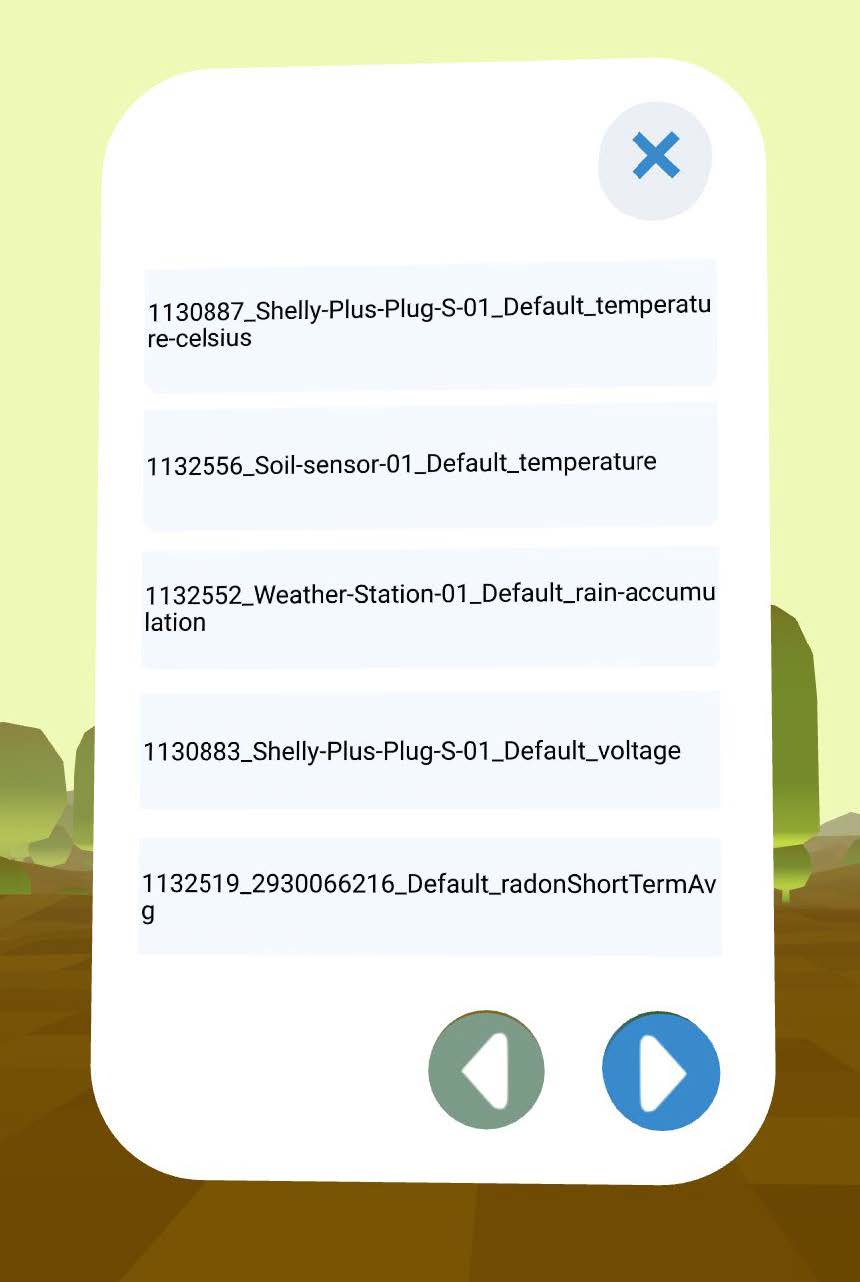
In Sprint 3 of the CORTEX2 Support programme, FLYTEX delivered a fully functional prototype that streams real-time IoT data into a web XR environment, proving both technical robustness and readiness for real-world deployment.
Read on to learn about FLYTEX‘s latest breakthroughs — and what’s next!
FLYTEX’s progress during Sprint 3 of the CORTEX2 Programme
Q: How would you summarise FLYTEX’s latest developments during Sprint 3 of the CORTEX2 programme?
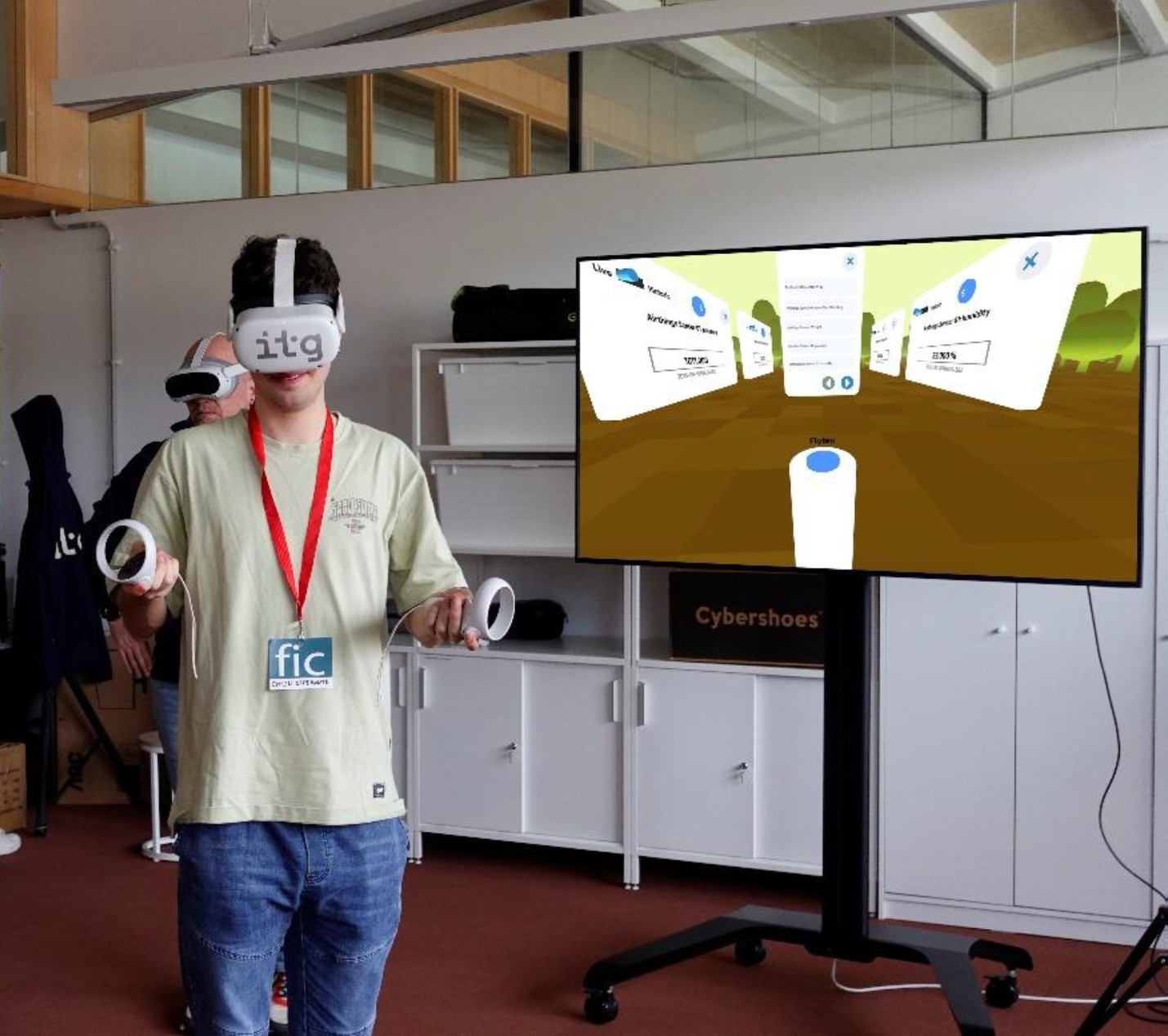
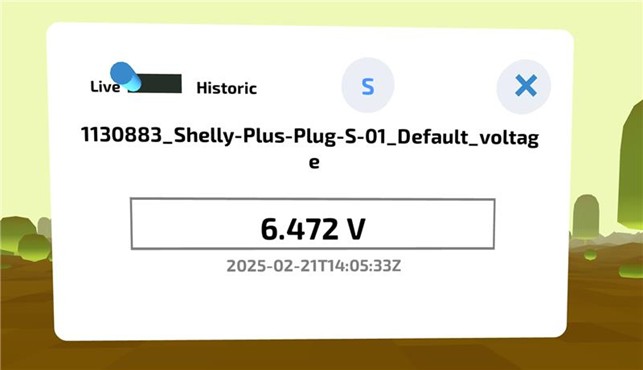
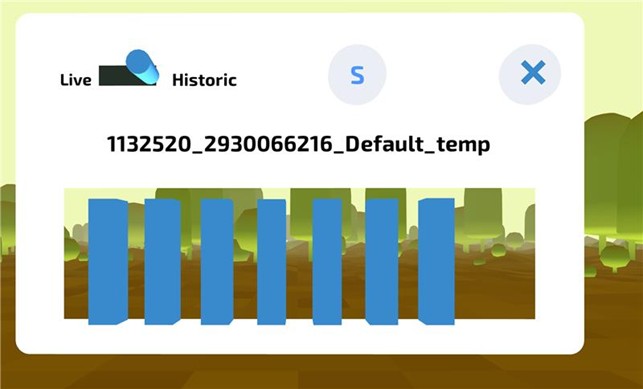
A: During Sprint 3, we were able to deploy and optimise a working prototype capable of sending real-time data from multiple devices and seamlessly integrating this data into the CORTEX2 platform, showing the data in a web XR environment. This prototype not only ensured the accurate and timely transmission of sensor readings but also validated the compatibility of our system with CORTEX2’s data ingestion pipelines. By utilising robust communication protocols and ensuring adherence to platform requirements, we laid the groundwork for scalable and efficient device integration.

Q: What milestones did FLYTEX reach during Sprint 3, and what impact do they have?
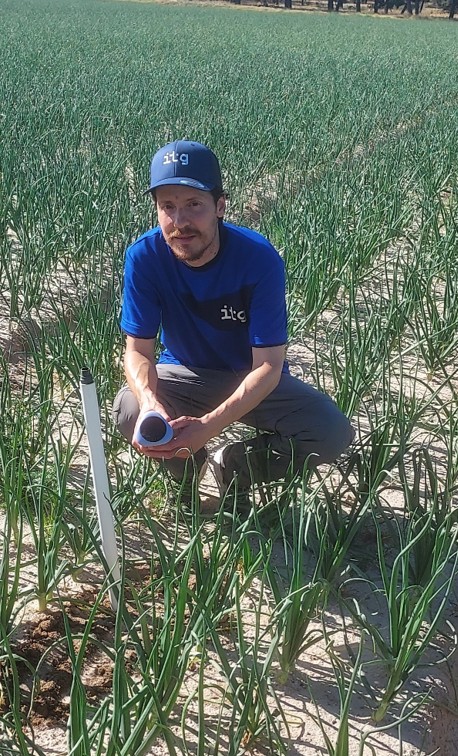
A: The key milestones were finalisation of the prototype and its deployment in an agricultural environment, ensuring data integrity and real-time responsiveness across the scenario.
We succeeded to comply with the three defined KPIs (integration of at least 6 IoT device types, at least 2 IoT devices in a meeting room, IoT data upload under 45’’).
Q: What are FLYTEX’s next steps?
A: We are working on a business plan to offer the developed feature as part of Flythings’ services.
To end, we would like to thank our mentors and the CORTEX2 team for their support.
Check out FLYTEX’s previous interviews and stay updated on its progress!
Want to know more about other CORTEX2 innovators’ updates? Browse all our supported teams on the CORTEX2 website:
Open Call 1 winners – Open Call 2 winners